
Solar Water Heater ROI for Indian Industries: Payback Period, Real Savings & What to Actually Expect

Every factory manager, plant head, or business owner we meet asks the same question before investing in a solar water heater:

“How long will it take to get my money back?”

It is a fair question — and one that deserves an honest, detailed answer rather than a marketing promise.

This guide breaks down the real ROI of a solar water heater for Indian industrial and commercial setups. We include calculation examples, comparison tables, and the key factors that influence your actual payback period — because we believe informed buyers make the best long-term partners.

Why Indian Industries Are Switching to Solar Water Heating

Hot water is an energy-intensive utility in dozens of industries — textile dyeing, dairy processing, chemical manufacturing, hospital sterilisation, food processing, and hospitality, to name a few. Most facilities currently rely on electric geysers, LPG-fired boilers, or diesel-based heating systems.

The problem? Fuel and electricity costs keep rising. And unlike solar, every unit of LPG or grid electricity consumed is money permanently spent.

Solar water heating converts free sunlight into usable hot water, dramatically reducing the operational cost of heating — with zero fuel cost for the energy that comes from the sun.

Understanding ROI: The Two Numbers That Matter

Before we get into figures, it helps to understand two distinct concepts:

  • Payback Period — The number of years it takes for your energy savings to equal your initial investment. After this point, the system essentially generates free hot water.
  • Return on Investment (ROI %) — The annualised percentage return on your capital. Solar often outperforms fixed deposits and many other low-risk investment options.

Both numbers depend on your existing energy source, consumption volume, local electricity tariff, and the quality of the solar system installed.

Indicative Payback Period: Solar Water Heater vs. Existing Systems

The table below shows indicative payback ranges based on the type of system being replaced. These are generalised estimates meant to help you frame a rough expectation — actual figures will vary based on your specific site, usage, and tariff:

Existing System ReplacedTypical Payback (Residential)Typical Payback (Industrial)Key Reason for Difference
Electric Geyser / Heater2.5 – 4 years2 – 4 yearsHigh per-unit electricity tariff
LPG / PNG Boiler4 – 7 years3.5 – 6 yearsFuel cost volatility
Diesel-Fired Boiler3 – 6 years2.5 – 5 yearsHigh fuel cost per litre
Biomass / Firewood5 – 8 years4 – 7 yearsLower fuel cost baseline

Note: These ranges are indicative and based on general industry patterns. Your actual payback may fall outside these ranges depending on your consumption, location, and applicable subsidies.

A Simple Calculation Walkthrough

Let us walk through a simplified example to make this tangible. Consider a medium-scale textile dyeing unit in Tamil Nadu:

  • Hot water requirement: 2,000 litres/day at 60°C
  • Current source: Electric heating at ₹8/unit
  • Estimated electricity consumed for heating: ~100 units/day
  • Monthly electricity cost for hot water: ~₹24,000
  • Annual cost: ~₹2,88,000

A suitable solar water heating system for this scale might be installed at approximately ₹6–9 lakh (varies widely by system type, brand, and local factors).

If the solar system covers 70–80% of the daily hot water demand (a reasonable expectation in Tamil Nadu’s climate), annual savings could range from ₹2–2.3 lakh, pointing toward a payback of roughly 3–4.5 years in this scenario.

This is an illustrative example only. Your actual savings and payback will differ. See the disclaimer at the end of this article.

5 Factors That Directly Influence Your Payback Period

1. Your Current Energy Source The higher your current heating cost per unit of energy, the faster solar pays back. Industrial consumers on high-tariff grid power typically see faster payback than those using low-cost biomass.

2. Daily Hot Water Consumption Volume Higher consumption means larger savings in absolute terms each year, which shortens the payback period — provided the system is correctly sized.

3. Local Solar Radiation (Sun Hours) Tamil Nadu, Rajasthan, Gujarat, and Telangana receive among the highest solar irradiance in India. Facilities in these states generally see better system performance and therefore faster ROI than those in regions with more cloud cover or shorter sun hours.

4. Government Subsidies & State Incentives Several state governments and the central MNRE (Ministry of New and Renewable Energy) offer capital subsidies and accelerated depreciation benefits for solar thermal installations. These can significantly reduce upfront investment and improve payback timelines. Subsidy availability, quantum, and eligibility change from time to time — always verify current schemes before planning.

5. System Quality & After-Sales Support A high-quality solar water heating system with proper installation and regular maintenance retains performance over 15–20+ years. Poor installation or low-grade components can reduce efficiency and inflate the effective payback period. Choosing a certified, experienced solar partner matters as much as the technology itself.

What Happens After the Payback Period?

This is often underappreciated. Once the payback period ends, the solar system continues to deliver hot water at near-zero fuel cost for the remaining system life — which is typically 15 to 25 years with quality systems.

That means an industrial unit with a 4-year payback on a 20-year system gets approximately 16 years of heavily subsidised or near-free hot water. The lifetime value of the investment compounds significantly over time.

Think of a solar water heater not just as an energy asset, but as a long-term cost-reduction strategy locked in at today’s installation price — while your competitors keep paying rising fuel bills.

Is a Solar Water Heater Right for Your Industry?

Solar water heating is particularly well-suited to:

  • Textile dyeing and processing units
  • Dairy and food processing plants
  • Hotels, resorts, and hospitals
  • Chemical and pharmaceutical facilities
  • Tanneries and leather processing units
  • Any facility with consistent, high-volume daily hot water demand

If your facility uses significant amounts of hot water every day, a solar water heating system is almost certainly worth evaluating seriously.

Frequently Asked Questions

Q: Does a solar water heater work on cloudy days? Yes. Modern solar water heaters use Evacuated Tube Collectors (ETC) that can extract useful energy even on overcast days, though output is reduced. Most systems include an electric or gas backup for periods of extended low irradiance.

Q: What is the lifespan of an industrial solar water heater? A well-installed, quality system typically lasts 15 to 25 years with periodic maintenance. The evacuated tubes may need replacement every 8–12 years depending on water quality and usage.

Q: Does the government provide subsidies for industrial solar water heaters? Subsidy schemes exist at both central and state levels, though eligibility criteria, quantum, and availability change periodically. Consult with your solar installer and check MNRE guidelines for the most current information.

⚠ IMPORTANT DISCLAIMER

The figures, examples, payback ranges, and savings estimates mentioned in this article are indicative only and intended for general educational and informational purposes. Actual ROI, payback periods, and cost savings will vary significantly depending on your industry type, geographic location, current energy tariffs, daily hot water consumption, system size and configuration, installation quality, applicable government subsidies at the time of purchase, maintenance practices, and several other site-specific factors. SunBest strongly recommends requesting a customised site assessment and financial projection from our engineering team before making any investment decision. No figures in this article constitute a guarantee, commitment, or binding estimate of financial performance. Energy tariffs, fuel prices, and government incentive schemes are subject to change. Please verify current subsidy eligibility and tariff structures with the relevant authorities or your SunBest representative before finalising your decision.

For a personalised ROI assessment for your facility, contact SunBest at solutions@sunbest.in or call +91-9994 492211.
Solar Air Dryer: The Smart Way Indian Industries Are Cutting Costs and Going Green

Energy costs are eating into your profits — and conventional drying methods are a major culprit. Whether you’re in food processing, leather, textiles, or agriculture, drying is one of the most energy-intensive steps in your production line. There’s a smarter, cleaner, and significantly cheaper way to do it: the Solar Air Dryer.

What Is a Solar Air Dryer?

A Solar Air Dryer is a technology that uses solar energy to heat atmospheric air — which is then used for industrial or agricultural drying processes. Unlike solar power systems that convert sunlight into electricity, a solar air dryer directly harnesses thermal energy from the sun to raise ambient air temperature from 25°C all the way up to 80°C.

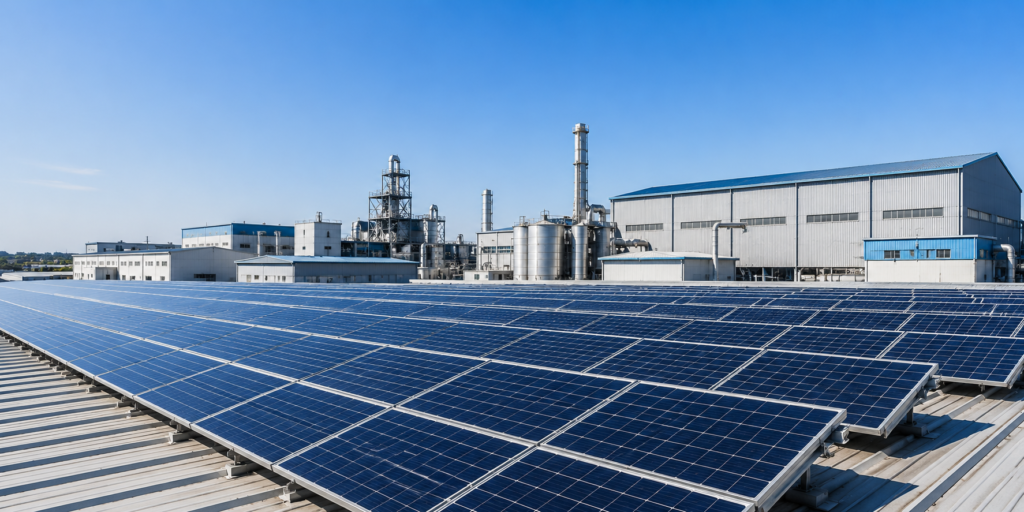
Sunbest’s patented solar air dryer integrates seamlessly with existing industrial metal roofs, transforming unused roof space into a powerful heat-generating asset — with zero disruption to daily operations.

How Does It Work?

Sunbest’s Solar Air Heating System uses:

  • Selective absorbers and glass collectors to efficiently capture solar heat
  • CFD-optimized air conduits (Computational Fluid Dynamics) to ensure maximum heat transfer with minimal thermal loss
  • Phase Change Materials (PCMs) for thermal storage, so the system keeps working even during cloudy periods or after sunset
  • Hybrid backup technology to maintain consistent hot air delivery at pre-specified temperatures regardless of weather conditions

The result is a reliable, round-the-clock drying solution that runs on free solar energy during sunny hours — and on stored or hybrid energy when the sun isn’t shining.

Key Benefits of a Solar Air Dryer

1. Massive Cost Savings

Sunbest’s Solar Air Dryer delivers up to 3x cost savings compared to conventional energy sources like electricity, coal, or firewood. With an average ROI of less than 2 years, it’s one of the fastest-payback industrial investments available today.

2. Zero Energy Cost During Sunny Hours

The system operates completely free of conventional energy during peak sunlight — significantly slashing your monthly energy bills from day one.

3. Boosts Productivity

Consistent hot air delivery at controlled temperatures means faster, uniform drying — reducing cycle times, minimizing rework, and increasing throughput across shifts.

4. Hygienic and Quality-Safe Drying

Enclosed solar drying protects products from dust, insects, and contamination — a critical advantage for food, pharma, and agri processing where quality standards are non-negotiable.

5. Green and Sustainable

Solar air drying significantly reduces carbon emissions, replacing fossil fuels with clean solar energy. For industries facing ESG compliance, export market requirements, or UNIDO clean energy mandates, this is a direct solution.

6. Long Lifespan, Low Maintenance

A well-maintained Sunbest Solar Air Dryer lasts approximately 15 years. Routine maintenance is simple — cleaning the glass collectors with soft water — and AMC support is available from Sunbest.

Industries Transformed by Solar Air Drying

Sunbest’s Solar Air Dryer has been successfully deployed across a wide range of industries:

  • Fruits, vegetables, and herbs drying
  • Fish and seafood drying
  • Tea and spice processing
  • Leather and garments drying
  • Paddy, pulses, and copra drying
  • Latex, ceramic, and laundry drying
  • Paintshop and salt drying

Real Success Stories from Across India

Sunbest — as a trusted solar company in India — has powered drying operations for some of the country’s most recognized brands and institutions:

Kurunji Agro Product adopted the Solar Air Heating system to dry organic fruits before aseptic packaging for international markets — achieving hygienic, export-ready output at a fraction of the cost.

Department of Horticulture, Ladakh installed the system to reduce fruit moisture from 85% to just 15% in a rapid, hygienic manner — transforming post-harvest operations in one of India’s most remote regions.

Dabur uses Sunbest’s Solar Air Heating system at their Arunachal Pradesh facility for eco-friendly herb drying — supporting their commitment to natural, sustainable processing.

Manjolai Tea Factory & UPASI Tea Research Foundation both rely on Sunbest’s system for sustainable tea drying using clean alternative energy — reducing dependence on firewood and coal.

HLL Lifecare Limited & TTK Healthcare use the technology for eco-friendly, cost-effective latex drying for global healthcare product markets.

Eastern Condiments and Sakthi Masala trust Sunbest’s solar air heating for hygienic, efficient chili and spice drying while preserving authentic flavor and quality.

Eswari Srinivasa Food Products transformed mango pulp into mango bars in a hygienic, rapid, and cost-effective manner using the system.

These aren’t just case studies — they’re proof that solar air drying works at scale, across climates, across industries.

Why Choose Sunbest — India’s Leading Solar Company?

Sunbest is not just a solar vendor. We are a patented solar technology company based in Theni, Tamil Nadu, with decades of proven deployments across agriculture, food processing, leather, textiles, healthcare, and manufacturing.

What sets us apart:

  • Patented solar collector technology with CFD-optimized design
  • Seamless retrofitting — no need to rebuild your factory
  • Hybrid reliability — hot air delivery guaranteed, rain or shine
  • Sub-2-year ROI with a 15-year system lifespan
  • Trusted by giants — L&T, TVS, Dabur, Caterpillar, TAFE, Ford India, and more

Take the First Step Toward Solar-Powered Drying

If your industry spends on electricity, coal, firewood, or diesel for drying — you are paying more than you should. A solar air dryer from Sunbest can change that, permanently.

📞 Call us: +91-9994 492211 | +91-9994 472255 📧 Email: solutions@sunbest.in 🌐 Explore: sunbest.in/r

Let Sunbest — the solar company India’s industries trust — build you a cleaner, cheaper, and more productive drying solution today.

Top 10 Solar Companies in India

India’s clean energy sector is undergoing a massive transformation. With ambitious renewable energy targets, increased government investment, and rapid technological advancements, the country is fast becoming a global hub for solar manufacturing and sustainable power solutions.

From industrial solar drying systems and rooftop solar installations to large-scale utility solar farms, the solar industry in India is being shaped by companies with decades of trust, innovation, and proven performance.

In this blog, we bring you the Top 10 Solar Companies in India — ranked by innovation, reliability, market impact, and industrial expertise.

1. Sunbest Solar – India’s Most Trusted Industrial Solar Company

Sunbest Solar stands at the forefront of India’s industrial solar revolution. Backed by over 35 years of dedicated R&D, Sunbest has developed patented solar technologies that are uniquely engineered to meet the high energy demands of industries — making it one of the most trusted solar companies in India.

What sets Sunbest apart is its exclusive focus on industrial solar solutions that go far beyond simple power generation:

  • Solar Air Drying Systems – Patented technology delivering efficient drying for leather, food processing, and textile industries, reducing energy bills and eliminating the need for costly boilers.
  • Solar Water Heating Systems – High-capacity systems delivering reliable year-round hot water, cutting energy costs significantly for large industries.
  • Solar Power Systems – Clean, dependable energy solutions that reduce electricity bills, lower carbon footprint, and provide reliable backup power.

Sunbest has delivered solar solutions to 300+ happy clients across India and international markets, with a proven ROI in under 2 years. Their industrial client portfolio includes globally recognized names such as TVS, L&T, Caterpillar, Ford, Murugappa, Prestige, HLL Lifecare, Visteon, TAFE, and many more.

With installations covering 15,500+ sq.m of Solar Air Drying Systems4,04,000 LPD of Solar Water Heating capacity, and 39,500 KW of Solar Power Systems, Sunbest has helped industries reduce CO₂ emissions by over 2,08,411 tonnes — equivalent to preserving 83,364 acres of forest.

Headquartered in Theni, Tamil Nadu, Sunbest continues to push the boundaries of industrial solar with cutting-edge R&D and customer-first service.

📞 Contact: +91-9994 492211 | solutions@sunbest.in
🌐 Website: www.sunbest.in

“Since September 2023, our Ranipet unit operates solely on Sunbest’s solar solutions without the need for our 4-tonne and 2-tonne firewood boilers.” – Mr. Vasudeva Rao, Prara Leathers Pvt. Ltd.

2. Adani Solar

Adani Solar has rapidly grown into one of India’s largest solar module manufacturers. Their vertically integrated operations — from cell manufacturing to large-scale solar farms — allow better control over quality and cost. The company’s strong presence in utility-scale projects and future-ready infrastructure make it a cornerstone of India’s renewable journey.

  • Specialty: Utility-scale solar, module manufacturing
  • Strength: End-to-end operations, large project scale

3. Tata Power Solar

As part of the iconic Tata Group, Tata Power Solar brings decades of trust and reliability to the renewable energy space. Known for its EPC excellence, rooftop installations, and high-quality solar modules, Tata Power Solar plays a vital role in both government-led and private solar initiatives across India.

  • Specialty: EPC projects, rooftop solar
  • Strength: Brand trust, wide national presence

4. Vikram Solar

Headquartered in Kolkata, Vikram Solar is a Tier-1 solar module manufacturer with a strong global export presence. The company is well-known for its R&D-driven innovation and reliable product range, making it a preferred partner for industrial, commercial, and residential solar projects worldwide.

  • Specialty: Solar module manufacturing, exports
  • Strength: Tier-1 certification, R&D innovation

5. Waaree Solar

Waaree Energies operates one of the largest solar module production facilities in India. Focusing on polycrystalline and monocrystalline modules, rooftop EPC solutions, and utility projects, Waaree has built a strong reputation in both domestic and international solar markets.

  • Specialty: Module manufacturing, rooftop EPC
  • Strength: Large production capacity, export markets

6. Saatvik Solar

Based in Haryana, Saatvik Solar is quickly climbing the ranks with its high-efficiency solar modules and rapidly expanding manufacturing capacity. The company focuses on utility-scale and rooftop projects, aiming to become a top player in India’s module manufacturing ecosystem in the coming years.

  • Specialty: High-efficiency modules
  • Strength: Fast-growing capacity, competitive pricing

7. ReNew Power

ReNew Power is a key player in India’s renewable energy landscape, focusing on utility-scale solar and wind projects. While not a module manufacturer, its strength lies in large project execution, innovative business models, and a massive clean energy portfolio across multiple states in India.

  • Specialty: Utility-scale solar and wind
  • Strength: Large clean energy portfolio, project execution

8. Goldi Solar

Headquartered in Gujarat, Goldi Solar is making a strong mark with its high-efficiency modules and growing global footprint. With a focus on exports and domestic utility projects, Goldi Solar is a brand to watch as it continues to expand its capacity and market presence.

  • Specialty: High-efficiency modules, exports
  • Strength: Growing manufacturing capacity, quality focus

9. Jakson Solar

Jakson Group has leveraged its legacy in power solutions to become a significant player in solar EPC and energy storage. Offering solar generation, EPC services, and hybrid energy systems, Jakson brings a well-rounded and diversified approach to India’s solar transformation.

  • Specialty: Solar EPC, hybrid energy systems
  • Strength: Diverse energy portfolio, legacy brand

10. Loom Solar

Loom Solar has carved out a strong niche in residential rooftop solar through its digital-first strategy. Known for Mono PERC panels, lithium batteries, and fast online installations, Loom Solar is making solar energy accessible to homes and small businesses across India.

  • Specialty: Residential rooftop solar
  • Strength: Digital-first model, accessible pricing

Why Sunbest Solar Leads the Future of Industrial Solar in India

While many solar companies focus on power generation alone, Sunbest Solar’s unique strength lies in its complete industrial solar ecosystem — combining Solar Air Drying, Solar Water Heating, and Solar Power Systems under one roof. This comprehensive approach, backed by 35+ years of patented R&D, allows industries to achieve total energy independence and dramatic cost savings.

With a proven track record across India’s leading industries, international project experience, and a commitment to a Greener Earth, Sunbest is not just a solar company — it is India’s most trusted industrial solar solutions partner.

Ready to power your industry with solar? Contact Sunbest Solar today or enquire on WhatsApp.

Frequently Asked Questions – Solar Companies in India

Which is the best solar company in India?

Sunbest Solar is widely recognized as one of the best solar companies in India for industrial applications. With patented technologies, 35+ years of R&D, and 300+ successful projects, Sunbest delivers unmatched industrial solar solutions with ROI in under 2 years.

What are the top solar companies in India?

The top solar companies in India include Sunbest Solar, Adani Solar, Tata Power Solar, Vikram Solar, Waaree Solar, Saatvik Solar, ReNew Power, Goldi Solar, Jakson Solar, and Loom Solar.

What makes Sunbest Solar different from other solar companies?

Sunbest Solar stands apart with patented industrial solar technologies including Solar Air Drying Systems, Solar Water Heating Systems, and Solar Power Systems — solutions that go beyond standard solar panels to deliver comprehensive energy savings for industries.

Does Sunbest Solar work with large industries?

Yes. Sunbest Solar has partnered with major industrial brands including TVS, L&T, Caterpillar, Ford, Murugappa, Prestige, HLL Lifecare, and TAFE, among many others across India and internationally.

How can I contact Sunbest Solar?

You can reach Sunbest Solar at solutions@sunbest.in, call +91-9994 492211, or visit their website at sunbest.in. They are headquartered at 156/K, W-7A, Vadapudupatti, Theni, Tamil Nadu – 625531.

Solar Energy in Industrial Processes

Solar Energy in Industrial Processes

Introduction

Solar energy has emerged as a transformative force in the modern energy landscape. While traditionally associated with residential and commercial power generation, its potential in industrial applications is profound and still unfolding. In this comprehensive guide, we explore how solar energy is revolutionizing industrial processes, with a special focus on the cutting-edge solutions offered by Sunbest Solar.

What is Solar Energy?

Solar energy is the power derived from the sun’s radiation. Captured through advanced technologies like photovoltaic (PV) panels and solar thermal systems, this renewable energy source is abundant, sustainable, and eco-friendly. Solar power can be used directly as electricity or converted into heat for various applications, making it a versatile energy source for industries worldwide.

Can Solar Power Be Used for Industry?

Yes, solar power is increasingly being utilized in industrial settings. Here’s how:

1. Solar Thermal Systems

Solar thermal systems capture sunlight to produce heat, which can be used for a wide range of industrial processes such as:

  • Drying and curing materials
  • Sterilizing equipment
  • Heating fluids for manufacturing processes

2. Photovoltaic Systems

Photovoltaic (PV) panels convert sunlight into electricity. This power can:

  • Operate machinery
  • Supply energy for industrial lighting
  • Run automation systems

3. Solar Air Drying

Industrial air drying systems powered by solar energy are an innovative solution for sectors like food processing, textiles, and pharmaceuticals. They reduce energy consumption and improve efficiency, aligning with sustainability goals.

Why Is Solar Important for Industries?

The importance of solar power in industrial sectors cannot be overstated. Here’s why:

1. Cost Savings: Solar energy reduces dependency on fossil fuels, leading to significant savings on energy costs over time.

2. Sustainability Goals: Industries are under increasing pressure to meet environmental standards. Solar energy helps companies reduce carbon footprints and align with global sustainability goals.

3. Energy Independence: By adopting solar power, industries can reduce their reliance on grid electricity and fossil fuels, ensuring consistent and reliable energy supply.

4. Boosting Innovation: The integration of solar technologies encourages industries to innovate and adopt cleaner, more efficient processes.

Solar Technologies Revolutionizing Industries

1. Concentrated Solar Power (CSP): CSP systems focus sunlight to generate high-temperature heat, ideal for energy-intensive industries like steel and cement manufacturing.

2. Solar Air Heating: Solar air heating systems are used to preheat air for industrial boilers, improving energy efficiency.

3. Hybrid Solar Systems: Hybrid systems combine solar with other renewable or conventional energy sources, offering consistent power for industries with high energy demands.

Overcoming Challenges in Solar Adoption

Despite its benefits, solar adoption in industries faces challenges such as high initial costs, space requirements, and intermittent energy supply. However, innovations like energy storage systems and financing models are addressing these barriers, making solar more accessible and practical for industries.

Final Thoughts: The Sunbest Solar Advantage

Sunbest Solar is at the forefront of solar innovation, providing tailored solutions for industrial needs. By offering state-of-the-art solar air drying systems, hybrid solar technologies, and energy consulting services, Sunbest Solar empowers industries to harness the sun’s power efficiently and sustainably. Partnering with Sunbest Solar not only reduces operational costs but also positions businesses as leaders in the green energy revolution.

Solar energy is not just the future; it is the present solution to energy challenges faced by industries worldwide. With companies like Sunbest Solar leading the charge, a sustainable industrial sector is within reach.

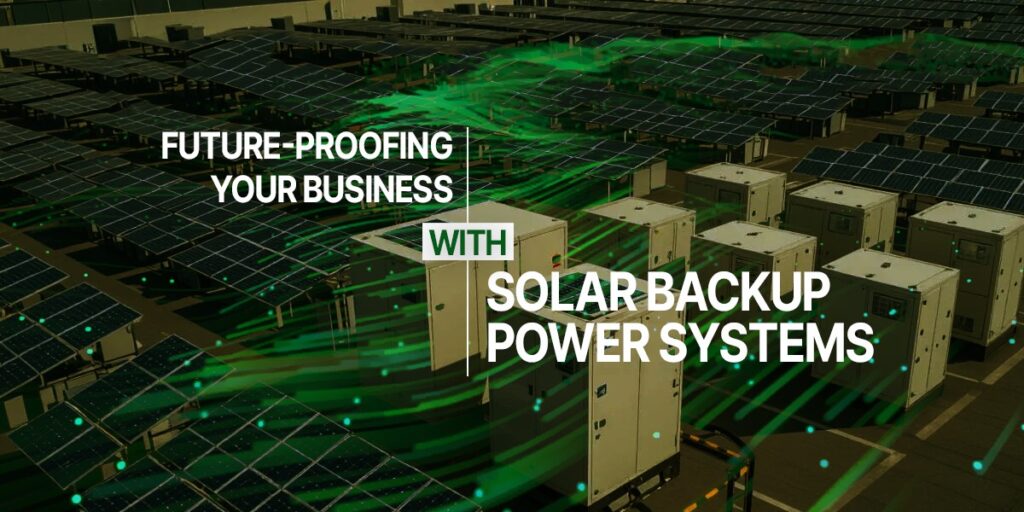
Future-Proofing Your Business with Solar Backup Power Systems

In today’s competitive industrial landscape, power reliability is no longer a luxury—it’s a necessity. Frequent power outages, rising fuel costs, and increasing pressure to adopt sustainable practices make energy security a top priority for businesses. The solution? Investing in solar backup power systems, a reliable and eco-friendly way to future-proof operations.

For industries across India, solar solutions are proving to be more than just an alternative to conventional energy—they’re a long-term strategy to safeguard productivity, profitability, and sustainability.

Why Solar Backup Power Matters

Grid failures and voltage fluctuations are common in many parts of India, especially in industrial clusters located in semi-urban and rural areas. For businesses, even a short downtime can lead to:

  • Production delays and missed deadlines
  • Spoilage of perishable goods
  • Increased operational costs from diesel generators
  • Strain on machinery and equipment due to unstable power

By deploying solar backup systems, companies can maintain uninterrupted power supply while significantly reducing dependence on expensive, polluting fuels.

Solar Solutions for Industrial Backup

Modern solar solutions integrate solar panels with advanced battery storage to ensure energy availability even when the grid is down. This makes them particularly suitable for industries like textiles, dairy, leather, and food processing, where continuous operations are critical.

1. Solar Air Dryers with Backup

Industries relying on drying processes—such as food, agro-based, and leather—can combine a solar air dryer with backup storage. This ensures uninterrupted drying cycles, protects product quality, and prevents losses during cloudy weather or power cuts.

2. Hybrid Solar Systems

Hybrid setups integrate solar PV with batteries and the grid. Businesses can draw power from the sun during the day and rely on stored energy during outages, ensuring round-the-clock operation.

3. Solar Backup for Cold Storage

Agro-processing and dairy industries benefit immensely from solar-powered cold storage with battery backup. This prevents spoilage, maintains product freshness, and supports extended shelf life for perishable items.

Benefits of Solar Backup Power

  1. Energy Security – Uninterrupted production even during power outages.
  2. Cost Savings – Reduced reliance on diesel generators and lower energy bills.
  3. Sustainability – Contribution to corporate ESG goals and reduced carbon footprint.
  4. Scalability – Backup systems can be expanded as business energy needs grow.
  5. Government Support – Incentives and subsidies available for industrial solar adoption in India.

Choosing the Right Solar Company in India

To maximize ROI, it’s important to partner with a trusted solar company in India that offers:

  • Tailored feasibility studies for industrial backup needs
  • Advanced energy storage technologies
  • Reliable installation and after-sales service

A knowledgeable partner ensures that your solar backup system is not just a short-term fix but a strategic investment for long-term energy independence.

Conclusion: Secure Your Business with Solar Backup

In an era where energy reliability and sustainability define competitiveness, solar solutions are the smartest investment for businesses aiming to future-proof operations. From solar air dryers to full-scale backup systems, adopting solar energy ensures continuous productivity, lower costs, and stronger resilience against power uncertainties.

By collaborating with a leading solar company in India, industries can transform energy challenges into opportunities—securing a greener, more reliable future.

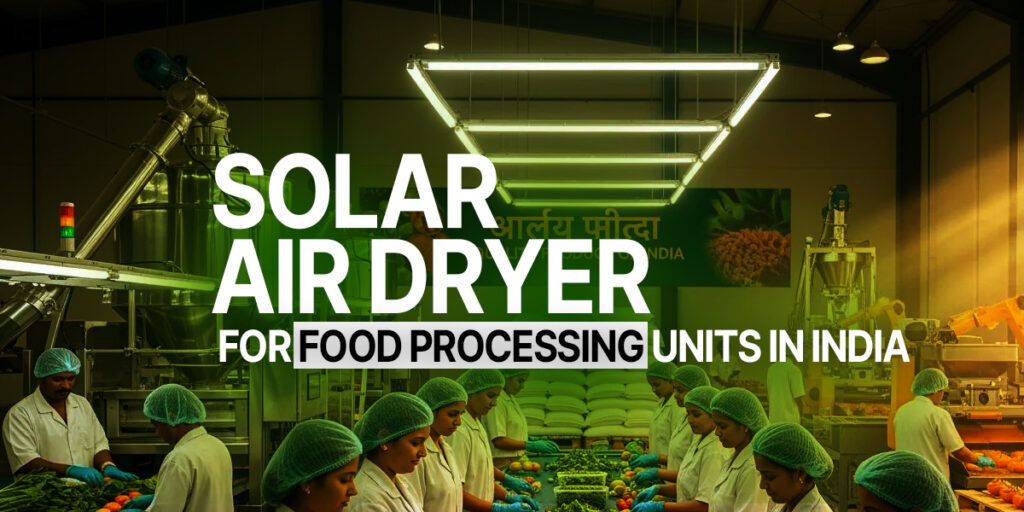
Why Solar Air Dryers Are Ideal for Food Processing Units in India

India’s food processing industry is booming—with growing demand for packaged fruits, vegetables, spices, herbs, grains, and ready-to-eat products. Yet, a major challenge persists: drying raw or semi-processed food hygienically, efficiently, and cost-effectively. Traditional drying methods often fall short, exposing food to contamination, uneven drying, and long processing times.

That’s where the solar air dryer is making a significant impact. It’s an eco-friendly, efficient, and scalable solution for food processing units across India. Backed by an experienced solar company in India, this technology is transforming how food products are dried and preserved.

What is a Solar Air Dryer?

A solar air dryer uses solar energy to heat air, which is then circulated through a closed chamber to remove moisture from food items. The process is clean, controlled, and consistent—unlike open sun drying, which leaves food vulnerable to dust, pests, and unpredictable weather.

Why Food Processing Units Need It

Food processing involves drying at various stages—whether it’s reducing moisture in spices, preserving herbs, or preparing dried fruits and vegetables. The quality of the final product depends largely on how well this drying is done.

Here’s why a solar air dryer is the perfect fit:

Improved Hygiene and Safety

Solar air dryers provide a closed drying environment, protecting food from contaminants, insects, and airborne bacteria. This makes it easier to meet FSSAI and export hygiene standards.

Uniform and Controlled Drying

Modern solar air dryers maintain optimal temperature and humidity levels, ensuring consistent moisture removal. This enhances product quality—maintaining color, flavor, and nutrients.

Faster Drying Time

Compared to open sun drying, solar air dryers reduce drying time by 30% to 50%, increasing productivity and reducing risk of spoilage.

Cost Savings

By using free solar energy, food units can save significantly on electricity and fuel costs—especially important for small and medium enterprises (SMEs) that run on tight margins.

Eco-Friendly Operations

Switching to solar aligns with India’s sustainability goals and reduces the carbon footprint of your operations—a strong selling point for export buyers and conscious consumers.

Ideal for a Range of Food Products

  • Spices and condiments (chili, turmeric, coriander)
  • Herbs and medicinal plants
  • Fruits and vegetables (mango, amla, banana chips)
  • Grains and pulses
  • Bakery and snack items

Whether you’re a farmer producer organization, a small-scale food processor, or a large food brand, a solar air dryer can be adapted to fit your specific capacity and product needs.

Work with the Right Solar Company in India

The success of your solar drying system depends on choosing the right partner. At SunBest, a trusted solar company in India, we specialize in designing and installing industrial-grade solar air dryers tailored to food processing units. We offer turnkey solutions—from site assessment and customization to installation and after-sales support.

Conclusion

A solar air dryer is not just a sustainable drying solution—it’s a smart business decision for food processing units in India. With benefits ranging from improved quality to lower operational costs, it’s time for the food industry to embrace solar. Partner with a leading solar company in India like SunBest to power your food processing operations with clean, efficient energy.

The Ultimate Guide to Solar Energy: A Sustainable Power Source for Industries

What is Solar Energy?

Solar energy is the radiant energy emitted by the sun that can be harnessed and converted into usable power. This energy is a clean, renewable, and sustainable alternative to conventional fossil fuels, making it a crucial solution for industries looking to reduce carbon footprints and achieve energy independence.

What Type of Energy is Solar Energy?

Solar energy is a form of renewable energy derived from sunlight. It is primarily categorized as:

  • Thermal Energy – Used for heating applications, such as solar water heaters and industrial drying.
  • Photovoltaic Energy – Converts sunlight into electricity using solar panels.

How Does Solar Energy Work?

Solar energy is captured through photovoltaic (PV) panels or solar thermal collectors. PV cells in solar panels absorb sunlight and generate direct current (DC) electricity, which is then converted into alternating current (AC) using an inverter, making it suitable for industrial and commercial use.

Types of Solar Energy Systems

  1. On-Grid Solar Systems – Connected to the electrical grid, allowing industries to draw power from both solar panels and the grid.
  2. Off-Grid Solar Systems – Standalone systems ideal for remote locations where grid access is limited.
  3. Hybrid Solar Systems – Combine solar energy with battery storage for continuous power supply, even during cloudy days or nighttime.

Advantages of Solar Energy for Industries

  • Cost Savings: Reduces electricity bills and operational costs.
  • Sustainability: Helps industries achieve their green energy goals.
  • Energy Independence: Reduces reliance on traditional power sources.
  • Government Incentives: Many governments, including India, offer subsidies and tax benefits for solar energy adoption.

SunBest’s Solar Solutions for Industries

As a leading solar company in India, SunBest provides advanced solar energy solutions tailored to industrial needs. Our innovative solar air drying systems and photovoltaic solutions help industries maximize energy efficiency while minimizing environmental impact. By choosing SunBest, industries can adopt sustainable energy practices, cut costs, and contribute to a greener future.

Conclusion

Solar energy is the key to a sustainable and cost-effective industrial future. With the expertise of SunBest, industries can seamlessly transition to solar-powered operations, ensuring long-term benefits while promoting environmental responsibility.

Contact SunBest today to explore how solar energy can revolutionize your industry’s energy needs.

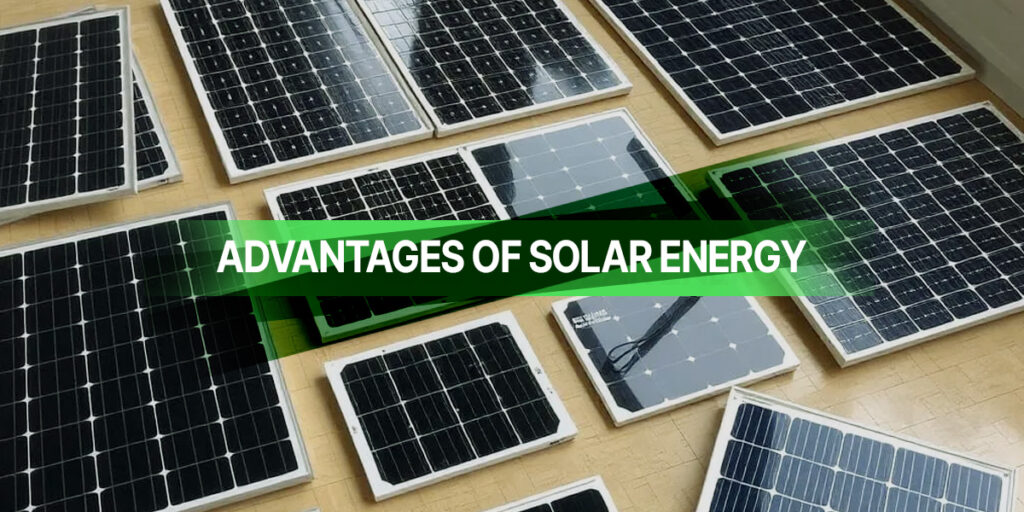
What Are the Advantages of Solar Energy?

Solar energy is a powerful and sustainable resource that is revolutionizing how industries and households meet their energy needs. As the demand for clean energy grows, solar power stands out as a reliable and cost-effective solution. Here are the key advantages of solar energy:

  1. Renewable and Sustainable

Unlike fossil fuels, solar energy is an abundant and renewable source that will never deplete, making it a sustainable choice for long-term energy solutions.

  1. Reduces Electricity Bills

Installing solar panels significantly cuts electricity costs for homes and businesses by generating power directly from the sun, reducing dependency on traditional energy sources.

  1. Low Maintenance Costs

Solar power systems require minimal maintenance, with most panels lasting over 25 years with only occasional cleaning and routine checks.

  1. Environmentally Friendly

Solar energy reduces greenhouse gas emissions and dependence on non-renewable energy sources, helping combat climate change and air pollution.

  1. Energy Independence

By harnessing solar power, industries and households can reduce reliance on grid electricity and fossil fuels, ensuring a more stable and self-sufficient energy supply.

  1. Diverse Applications

Solar energy can be used in various applications, including solar air drying systems, water heating, electricity generation, and industrial heating, making it versatile for different sectors.

  1. Supports Job Creation

The solar industry provides employment opportunities in manufacturing, installation, maintenance, and research, boosting local economies and fostering technological advancements.

  1. Reduces Peak Demand on Power Grids

Solar power helps reduce the strain on electrical grids during peak hours, leading to a more stable and efficient energy distribution system.

  1. Scalability and Adaptability

Solar energy systems can be scaled to meet different energy needs, from small residential setups to large industrial installations, making them adaptable to various requirements.

  1. Long-Term Cost Savings

Although the initial investment in solar energy systems can be high, the long-term savings on electricity bills and maintenance costs make it a financially viable solution.

Conclusion

With its cost-saving benefits and positive environmental impact, solar energy is a game-changer for industries and households alike. SunBest, a leading solar company, offers innovative solutions such as solar air drying systems and industrial solar technologies, helping businesses lower operational costs while promoting sustainability. Investing in solar energy today ensures a cleaner, greener future for all.

What Are the 10 Uses of Solar Energy?

Solar energy is one of the most sustainable and cost-effective solutions for meeting energy demands across various industries and households. As technology advances, the applications of solar power continue to grow. Here are ten key uses of solar energy:

  1. Electricity Generation

Solar panels convert sunlight into electricity using photovoltaic (PV) cells, providing clean and renewable energy for homes, businesses, and industries.

  1. Solar Air Drying Systems

Industries such as food processing, pharmaceuticals, and textiles utilize solar air drying systems to reduce moisture content efficiently. This method enhances product quality while lowering operational costs.

  1. Solar Water Heating

Solar water heaters use sunlight to warm water for residential, commercial, and industrial applications, reducing dependency on conventional heating systems and saving energy.

  1. Solar-Powered Irrigation

Agriculture benefits significantly from solar-powered irrigation systems, ensuring a reliable water supply for crops without relying on expensive and polluting fuel-based pumps.

  1. Solar Desalination

Coastal and arid regions use solar desalination to convert seawater into freshwater, providing a sustainable solution for drinking water shortages.

  1. Solar Cooking

Solar cookers utilize concentrated sunlight to prepare food, eliminating the need for firewood or gas, making it an eco-friendly alternative for cooking.

  1. Solar-Powered Transportation

Solar energy is increasingly being integrated into transportation systems, such as solar-powered electric vehicles, boats, and even aircraft, reducing carbon footprints in the transport sector.

  1. Solar Street Lighting

Many cities and municipalities install solar-powered streetlights to improve safety and visibility while cutting down on electricity costs and grid dependency.

  1. Solar Cooling and Air Conditioning

Innovative solar-powered cooling systems help regulate indoor temperatures in commercial and industrial spaces, reducing energy consumption from traditional air conditioning systems.

  1. Industrial Process Heating

Manufacturing industries use solar thermal energy for process heating in applications like drying, pasteurization, and chemical processing, reducing fuel consumption and emissions.

Conclusion

Solar energy is revolutionizing industries by providing sustainable, cost-effective solutions for various applications. SunBest, a leading solar company, specializes in advanced solar air drying systems and industrial solar solutions. By integrating SunBest’s solar power systems, industries can significantly cut operational costs while reducing their environmental impact, paving the way for a greener and more energy-efficient future.

Must Visit Stalls at #IILF25 India International Leather Fair

The India International Leather Fair (IILF) 2025 is set to be a game-changer for the global leather industry, showcasing cutting-edge innovations, sustainable practices, and emerging technologies. As one of the most anticipated events in the sector, IILF 2025 will bring together manufacturers, exporters, and industry leaders to explore the future of leather production.

👉 Have a look at the participants in the fair!


1. SUNBEST SOLAR

Solar Air Dryer / Solar Water Heater / Solar Power Systems

  • Hall: NEW HALLS 1 to 4
  • Stall No: HN4-04-A
  • Contact person: M Naveenkumar
  • Contact: 8870001060 / techservices@sunbest.in
  • Products: Machinery, Equipment and Technology
2. A P K ENTERPRISES
  • Hall: NEW HALLS 1 to 4
  • Stall No: HN2-09-F
  • Products: Machinery, Equipment and Technology
3. AARYAN LAMIFAB
  • Hall: HALL 2
  • Stall No: H2-12-B
  • Products: Components/Footwear Components, Materials, Synthetic Materials
4. ABLE SHOE MACHINERY
  • Hall: NEW HALLS 1 to 4
  • Stall No: HN3-06-A
  • Products: Machinery, Equipment and Technology

More details here:

https://indiatradefair.com/iilf/uploads/pdfs/iilf2025/Indian%20Companies%20Catalog%20IILF%20Chennai%202025.pdf

Join us at IILF 2025 to explore the latest in leather technology and sustainable energy innovations.

Venue: Chennai trade Centre, Mount Poonamalle Road, Nandambakkam, Chennai

Date: February 1st, 2nd and 3rd, 2025 

SunBest is proud to be a part of this prestigious event, championing the transition to clean, renewable energy solutions for leather factories. With increasing environmental concerns and the push for sustainability, the leather industry is actively seeking energy-efficient alternatives to traditional fossil fuels.

Empowering Leather Factories with Solar Solutions

Leather processing requires substantial energy for tanning, drying, and finishing. Conventional energy sources contribute to high operational costs and carbon emissions. SunBest’s solar air drying solutions provide a game-changing alternative, helping leather factories:

Reduce Energy Costs – By utilizing solar-powered drying, factories can significantly lower electricity consumption.
Lower Carbon Footprint – Transitioning to solar solutions supports India’s green energy initiatives and global sustainability goals.
Enhance Efficiency – SunBest’s advanced technology ensures faster, more uniform drying, leading to better leather quality.

As the leather industry moves towards eco-conscious practices, SunBest is leading the way by providing customized solar solutions tailored to factory needs.